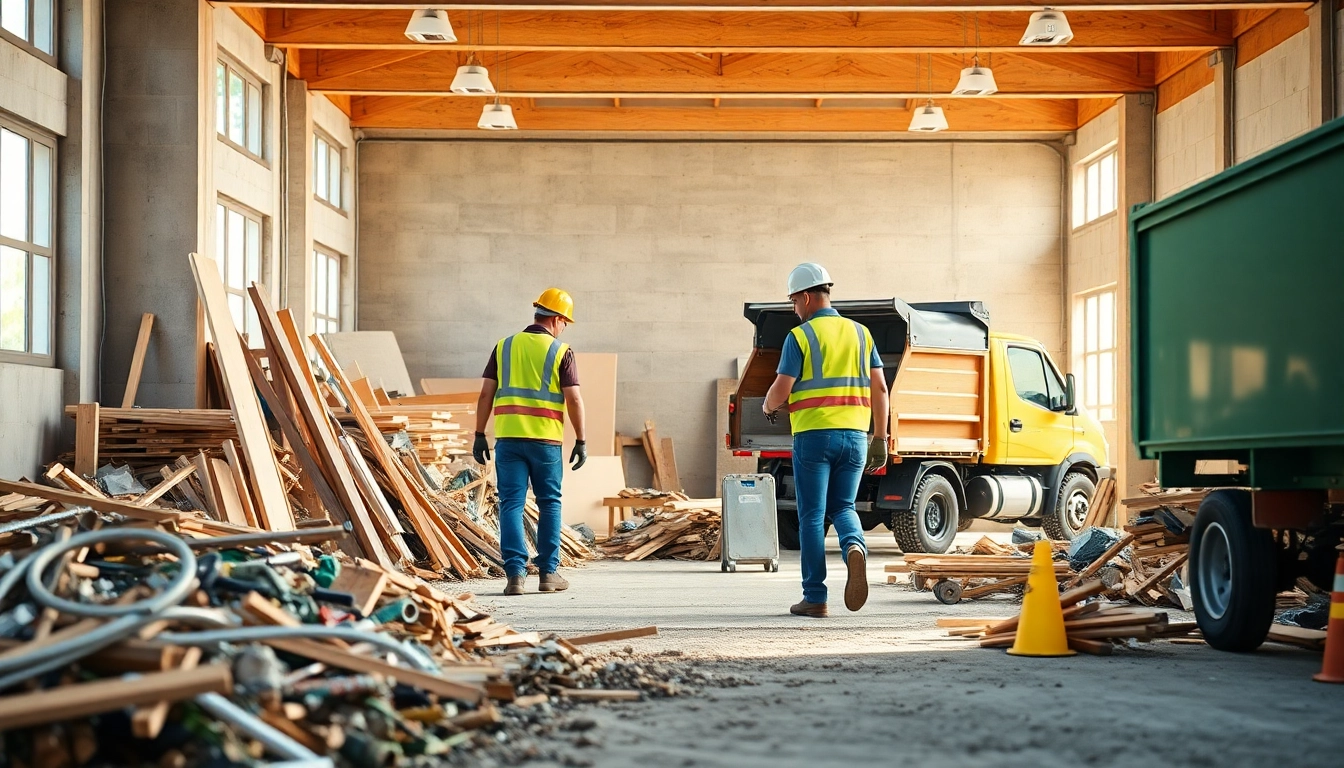
Understanding Construction Debris Removal
Construction projects, whether residential or commercial, often generate significant amounts of waste and debris. Efficiently managing this construction debris is crucial for maintaining a safe and organized work environment. As experts in construction debris removal, we understand the multifaceted nature of waste generated during various stages of construction. From planning for effective waste strategies to implementing eco-friendly disposal methods, understanding the types and importance of construction debris removal is essential for every contractor and homeowner alike.
What is Construction Debris?
Construction debris refers to the waste materials produced during construction, renovation, or demolition activities. This includes a wide variety of materials such as:
- Concrete and masonry
- Wood (e.g., lumber, plywood)
- Drywall and plaster
- Metal (e.g., steel, aluminum)
- Glass (e.g., windows, mirrors)
- Electrical components
- Insulation materials
Understanding what constitutes construction debris is vital for both compliance with local regulations and environmental sustainability. Proper classification of debris helps in ensuring that it is disposed of or recycled in a manner that minimizes its impact on the environment.
Importance of Efficient Debris Removal
Efficient debris removal is paramount for several reasons:
- Safety: Accumulated debris can pose serious safety hazards on construction sites, including tripping hazards and potential injury from sharp or heavy materials.
- Compliance: Many jurisdictions require construction sites to adhere to specific waste management regulations, including proper disposal methods for different types of debris.
- Environmental Impact: Proper removal and disposal of construction debris help mitigate the negative environmental impacts associated with waste accumulation, such as pollution and resource depletion.
- Operational Efficiency: A clean and organized worksite allows for smoother operations, reducing the time workers spend navigating around clutter.
Types of Debris Commonly Encountered
Construction projects generate various types of debris, each requiring specific handling and disposal methods. Common types include:
- Heavy Debris: Items such as bricks, concrete, and large lumber pieces that require specialized equipment for removal.
- Hazardous Waste: Materials like asbestos, lead paint, or chemicals that must be handled with extreme care and disposed of in accordance with safety regulations.
- Recyclable Materials: Items such as metals, wood, and concrete that can be repurposed and recycled to reduce landfill use.
- General Refuse: Non-usable waste such as packaging materials, food waste, and other general junk created during construction.
Best Practices for Construction Waste Management
Effectively managing construction waste not only ensures compliance but also contributes to sustainability efforts. Here are some best practices that can be implemented:
Eco-Friendly Disposal Methods
Employing eco-friendly disposal methods is essential for sustainable construction practices. This includes:
- Utilizing recycling facilities that accept construction materials.
- Implementing practices such as deconstruction, which involves taking apart a building to salvage materials for reuse.
- Choosing disposal methods that minimize environmental impact, such as using landfills that adhere to strict environmental regulations.
Effective Recycling Strategies
Recycling construction debris is both economically sensible and beneficial for the environment. Effective strategies include:
- Sorting materials at the source to facilitate easier recycling.
- Partnering with local recycling companies that specialize in construction waste.
- Creating a recycling plan that outlines which materials can be reused and which should be recycled.
Planning for Waste Removal During Projects
Proactive planning is key to efficient waste management. This includes:
- Assessing the project scope to estimate the amount and types of debris expected.
- Incorporating debris removal strategies into the overall project timeline.
- Training workers on proper waste handling and disposal methods.
Costs of Construction Debris Removal in 2026
As we move further into 2026, understanding the costs associated with construction debris removal is crucial for budgeting purposes. Various factors influence pricing within the market.
Factors Influencing Pricing
Several key factors affect the cost of debris removal services:
- Volume and Weight: Generally, prices are based on the amount of debris removed, measured in cubic yards or weight.
- Type of Materials: Some materials, especially hazardous waste, require special handling and incur higher costs.
- Location: Proximity to disposal sites or recycling centers can affect transportation costs.
- Labor Costs: Complex removal processes may require specialized labor, increasing overall expenses.
Comparing Costs: Junk Removal vs. Dumpster Rental
When considering waste removal options, it’s common to weigh the costs between hiring a junk removal service or renting a dumpster. Consider the following:
- Junk Removal Services: Typically include labor costs and can be beneficial for larger, more complex projects where handling is required.
- Dumpster Rentals: Often more cost-effective for longer projects but require users to manage the loading themselves.
Evaluate your project’s specific needs to choose the best option.
Budgeting for Waste Management
When budgeting for construction debris removal, consider allocating funds not only for removal services but also for potential recycling fees, labor costs, and disposal charges. Regularly assessing and adjusting your budget according to evolving project needs will help you effectively manage costs.
Choosing the Right Service Provider
Finding the right junk removal company is critical for ensuring efficient operations and compliance. Here are essential factors to consider when selecting a service provider:
What to Look for in a Junk Removal Company
Consider the following attributes when evaluating potential companies:
- Experience: Look for providers with a proven track record in construction debris removal.
- Licensing and Insurance: Ensure the company is properly licensed and insured to protect against liability.
- Services Offered: Check if the provider specializes in the specific types of materials you need to remove.
Questions to Ask Before Hiring
Before making a decision, ask potential providers the following questions:
- What types of debris do you handle?
- What is your pricing structure?
- Can you provide references from previous clients?
- What safety protocols do you follow?
Understanding Service Agreements and Contracts
Always read and understand service agreements carefully before signing. Key components to review include:
- Scope of Work: Clearly defined services to be provided.
- Fees and Charges: A breakdown of costs, including any additional fees for specific services.
- Cancellation and Rescheduling Policies: Guidelines for modifying or cancelling services.
Future Trends in Construction Debris Management
As the construction industry evolves, so do the methods and regulations surrounding debris management. Keeping an eye on these trends can help companies stay ahead of the curve.
Innovations in Waste Disposal Technology
Advancements in technology are changing the landscape of construction debris management:
- Smart Waste Sorting: Technologies that use artificial intelligence to improve sorting efficiency at recycling facilities.
- Automated Collection Systems: Emerging systems that optimize collection routes and reduce labor costs.
Shifting Regulations and Compliance Needs
Regulatory environments are becoming increasingly stringent. Regularly update your knowledge of local laws regarding waste disposal to ensure compliance and avoid penalties.
Emerging Eco-Friendly Practices to Watch
As sustainability becomes a focal point, new practices emerge:
- Sustainable Materials: The use of materials that minimize waste generation during construction.
- Zero-Waste Goals: Companies aiming for zero waste send all materials back to the manufacturing cycle.