
Mental health is an essential part of overall wellbeing. Understanding and taking care of your mental health allows you to respond to life’s challenges with strength, clarity, and emotional balance. At Calm Minds Hub, we provide guidance to help you build emotional resilience through practical, evidence-based strategies. Mental health awareness is the first step toward a healthier mind and a more fulfilling life.
Understanding Mental Health Awareness
Mental health awareness involves recognizing the importance of mental wellbeing, understanding the signs of mental health challenges, and knowing how to support yourself and others. Just as we care for our physical health through diet and exercise, emotional and mental health requires conscious attention and nurturing.
Why Mental Health Awareness Matters
Without mental health awareness, stress, anxiety, and emotional difficulties can accumulate, leading to decreased productivity, strained relationships, and even physical health problems. Being aware of your mental state helps you:
- Identify early signs of stress or emotional imbalance
- Seek timely help or support
- Develop coping strategies to handle challenges
- Build stronger, more supportive relationships
Real-life example: A student who notices feelings of persistent sadness and anxiety can take proactive steps, such as talking to a counselor or practicing mindfulness, before these feelings affect their academic performance and friendships.
Step 1: Acknowledge Your Emotions
The first step toward emotional resilience is acknowledging your emotions. Often, people ignore or suppress their feelings, thinking it is a sign of weakness. Awareness means accepting your emotions without judgment.
How to Acknowledge Emotions
- Check in with yourself regularly: Take a few minutes each day to notice how you feel.
- Name your emotions: Label feelings like anger, sadness, frustration, or joy. This simple act helps reduce their intensity.
- Reflect without judgment: Avoid criticizing yourself for feeling a certain way.
Analogy: Emotions are like the weather. Just as you wouldn’t blame the rain for falling, you shouldn’t blame yourself for feeling upset. Recognizing and naming your feelings helps you respond to them effectively.
Step 2: Educate Yourself on Mental Health
Knowledge is power. Learning about mental health conditions, stress responses, and coping mechanisms equips you to handle emotional challenges more effectively.
Ways to Educate Yourself
- Read books, articles, or trusted websites focused on mental health awareness
- Attend workshops, webinars, or school programs on emotional wellbeing
- Follow mental health professionals on social media for tips and insights
Case Study: Sarah, a high school student, struggled with panic attacks. By learning about anxiety triggers and coping strategies, she was able to manage her symptoms and perform better academically.
Step 3: Build Emotional Resilience Through Healthy Habits
Emotional resilience is the ability to recover from setbacks and adapt to stress. It can be strengthened through intentional lifestyle changes and healthy habits.
Daily Habits for Emotional Resilience
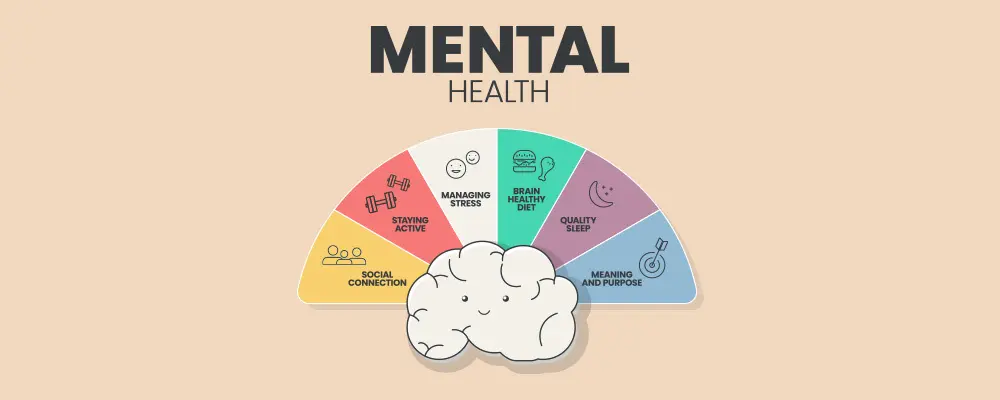
- Practice mindfulness: Meditation, deep breathing, or mindful walking can reduce stress and increase self-awareness.
- Exercise regularly: Physical activity releases endorphins, which improve mood and reduce anxiety.
- Maintain a balanced diet: Proper nutrition supports brain health and emotional stability.
- Prioritize sleep: Adequate rest improves focus, decision-making, and emotional regulation.
Analogy: Emotional resilience is like a muscle. The more you practice self-care, the stronger your ability to handle life’s challenges.
Step 4: Develop Strong Social Connections
Supportive relationships are crucial for mental health. Surrounding yourself with understanding, empathetic, and encouraging people creates a protective buffer against stress.
How to Strengthen Social Connections
- Communicate openly with friends and family about your feelings
- Participate in group activities, clubs, or community events
- Offer support to others, which also enhances your own emotional wellbeing
Real-life example: John felt isolated during exam season. By joining a study group and sharing his struggles, he gained support and coping strategies, reducing his anxiety significantly.
Step 5: Learn Coping Strategies for Stress and Anxiety
Stress is a natural part of life, but unmanaged stress can harm mental health. Learning practical coping strategies allows you to respond effectively without feeling overwhelmed.
Effective Coping Techniques
- Mindful breathing exercises: Focus on your breath to calm the mind during stressful moments.
- Journaling: Writing about your thoughts and feelings helps process emotions.
- Positive self-talk: Replace negative thoughts with constructive and encouraging statements.
- Set realistic goals: Break tasks into manageable steps to avoid feeling overwhelmed.
Case Study: Emma used journaling and positive self-talk during a difficult school project. By focusing on her progress rather than perfection, she completed her work with less anxiety.
Step 6: Seek Professional Support When Needed
Even with awareness and coping strategies, some situations require professional help. Mental health professionals, such as counselors, therapists, or psychologists, provide guidance, therapy, and support tailored to your needs.
When to Seek Help
- Persistent sadness or anxiety affecting daily life
- Difficulty sleeping or eating due to emotional distress
- Feelings of hopelessness or thoughts of self-harm
- Strained relationships or inability to manage stress
Real-life example: A teenager experiencing chronic anxiety sought therapy. Through professional support, they developed personalized coping strategies and improved emotional resilience.
Step 7: Practice Self-Compassion
Self-compassion is the practice of treating yourself with kindness, understanding, and patience, especially during difficult times. It enhances emotional resilience by reducing self-criticism and promoting acceptance.
Ways to Practice Self-Compassion
- Speak to yourself as you would to a friend
- Allow yourself to make mistakes without harsh judgment
- Celebrate small victories and progress
- Engage in activities that bring joy and relaxation
Analogy: Self-compassion is like watering a plant. When you nurture yourself consistently, emotional resilience grows stronger and more sustainable.
Step 8: Integrate Mental Health Awareness into Daily Life
Mental health awareness is not a one-time effort but a continuous practice. Integrating these steps into your daily routine ensures long-term emotional resilience.
Daily Integration Tips
- Start the day with a mindful check-in
- Schedule time for exercise, hobbies, or relaxation
- Connect with friends or family regularly
- Reflect on daily experiences and emotions in a journal
By consistently practicing mental health awareness, you create a foundation for a more balanced and fulfilling life.
Benefits of Mental Health Awareness
Understanding and practicing mental health awareness brings numerous benefits:
- Improved emotional regulation and resilience
- Better stress management and reduced anxiety
- Enhanced relationships through empathy and communication
- Increased self-awareness and personal growth
- Greater overall wellbeing and life satisfaction
Conclusion
Mental health awareness is the cornerstone of emotional resilience. By acknowledging emotions, educating yourself, building healthy habits, strengthening social connections, learning coping strategies, seeking professional support, practicing self-compassion, and integrating these practices into daily life, you can navigate challenges with confidence and calmness. At Calm Minds Hub, we emphasize that emotional wellbeing is achievable for everyone through consistent practice, understanding, and kindness toward yourself and others. Stay updated and inspired—everything starts at our main site.
FAQs
What is mental health awareness?
Mental health awareness is understanding the importance of mental wellbeing, recognizing signs of mental health challenges, and knowing how to support yourself and others effectively.
How can I build emotional resilience?
Emotional resilience can be developed through healthy habits like mindfulness, exercise, balanced nutrition, sufficient sleep, strong social connections, coping strategies, and self-compassion.
When should I seek professional help for mental health?
You should seek professional support if feelings of sadness, anxiety, hopelessness, or stress persist, affect daily life, or if you experience difficulty sleeping, eating, or maintaining relationships.