Understanding Vinyl Flooring Basics
What Is Vinyl Flooring?
Vinyl flooring is a synthetic flooring option renowned for its resilience and versatility. This material is crafted from polyvinyl chloride (PVC) and is often used in both commercial and residential spaces due to its water-resistant properties and ease of maintenance. Available in sheets, tiles, and planks, vinyl flooring mimics the appearance of wood, stone, and other natural materials, offering a stylish alternative that can fit any interior design. Whether you’re renovating a bathroom or revamping a living room, vinyl flooring provides an affordable option without sacrificing aesthetics.
Types of Vinyl Flooring
When considering vinyl flooring, it’s essential to understand the different types available. The primary categories include:
- Vinyl Sheets: Sheets are large, continuous pieces of vinyl that can be seamless, making them ideal for moisture-heavy areas like bathrooms and kitchens.
- Vinyl Tiles: Tiles resemble ceramic or stone tiles and offer more design flexibility, allowing for various patterns and configurations.
- Luxury Vinyl Planks (LVP): LVP mimics the look of hardwood while offering durability and resistance to scratches. It’s a popular choice among homeowners seeking an upscale appearance.
Benefits of Vinyl Flooring
Vinyl flooring comes with numerous advantages that make it a popular choice among homeowners and business owners:
- Durability: Vinyl is tough and can withstand heavy foot traffic, making it perfect for both residential and commercial settings.
- Water Resistance: Its moisture-resistant nature makes vinyl flooring an excellent choice for kitchens, bathrooms, and basements.
- Easy to Maintain: Cleaning vinyl flooring is straightforward; simply sweeping and mopping with mild detergent is sufficient.
- Comfortable Underfoot: Unlike tile or hardwood, vinyl flooring provides a softer feel, enhancing comfort in high-traffic areas.
- Affordability: Generally, vinyl flooring is less expensive than other flooring options, making it accessible for various budgets.
Installation Process for Vinyl Flooring
Preparing Your Space
Before installation, preparation is key to achieving the best results. Start by assessing the subfloor for any damage or imperfections that need repair. Ensure the surface is clean, dry, and level; if necessary, use a leveling compound to fix uneven spots. Measure the area accurately to determine how much material you will need, and acclimate your vinyl flooring in the room where it will be installed for at least 48 hours.
Step-by-Step Installation Guide
The installation of vinyl flooring can be completed with relative ease, especially if you follow these steps:
- Gather Materials: Collect all necessary tools and materials, including the vinyl flooring, adhesive (if applicable), a utility knife, measuring tape, and a roller.
- Cut the Vinyl: Cut the vinyl to fit the dimensions of your room, allowing for a slight expansion gap along the walls.
- Apply Adhesive: If using glue-down vinyl, apply the adhesive to the subfloor using a trowel, following the manufacturer’s guidelines.
- Lay the Vinyl: Carefully lay the vinyl into place, starting from one corner and working your way across the room, ensuring there are no air bubbles.
- Use a Roller: After laying the vinyl, use a roller to press it into the adhesive, guaranteeing a strong bond.
- Trimming Edges: Trim any excess vinyl along the edges with a utility knife for a clean finish.
- Allow Curing Time: Give the adhesive time to cure as per the manufacturer’s instructions before moving furniture back.
Common Installation Mistakes to Avoid
To ensure a successful installation, here are some common pitfalls to avoid:
- Neglecting the Subfloor: Failing to properly prepare the subfloor can lead to issues like uneven surfaces and damage over time.
- Incorrect Measurement: Always double-check your measurements to avoid purchasing too little or too much material.
- Not Acclimating the Material: Skipping the acclimation process can cause the flooring to expand or contract, resulting in gaps or buckling.
- Ignoring Manufacturer Guidelines: Each product comes with specific installation instructions that should be followed closely to ensure warranty compliance.
Choosing the Right Vinyl Flooring for Your Home
Factors to Consider
When selecting vinyl flooring, consider key factors such as:
- Room Usage: High-traffic areas require durable options like luxury vinyl planks, while low-traffic spaces can use softer materials.
- Moisture Levels: For areas exposed to water, waterproof vinyl options are crucial.
- Style Preferences: Choose a design that aligns with your overall decor vision, including color, texture, and pattern.
- Budget: Determine your spending limit before shopping, as prices can vary widely based on type and brand.
Comparing Styles and Patterns
Vinyl flooring offers a vast array of styles and patterns, allowing homeowners to find the perfect fit for their aesthetic. Popular styles include:
- Wood-Look Vinyl: Ideal for those desiring the beauty of wood without the maintenance, available in various finishes and colors.
- Stone-Look Vinyl: For an upscale appearance, stone-inspired vinyl is an excellent choice, featuring realistic textures and details.
- Graphic Vinyl: Bold patterns and colors make graphic vinyl a playful choice for unique decor styles.
Durability and Maintenance
Durability is a primary benefit of vinyl flooring, but maintenance practices can extend its life further:
- Regular Cleaning: Sweep or vacuum regularly to remove debris and dust that can scratch the surface.
- Prompt Spill Response: Wipe up spills immediately to prevent staining and warping.
- Gentle Cleaning Agents: Use a damp mop and cleaner specifically designed for vinyl flooring to avoid damage from harsh chemicals.
Design Ideas Using Vinyl Flooring
Creative Layout Options
Vinyl flooring allows for creativity in layout, enhancing your space’s visual appeal. Consider the following ideas:
- Herringbone Pattern: Lay planks in a herringbone or chevron style for a sophisticated, high-end look.
- Mixed Patterns: Combine different types of vinyl (e.g., tile and wood-look) to create distinct zones or features.
- Diagonal Installation: Installing planks diagonally can create a sense of space in smaller rooms.
Complementary Décor Styles
Pair your vinyl flooring with complementary decor styles to create a cohesive look:
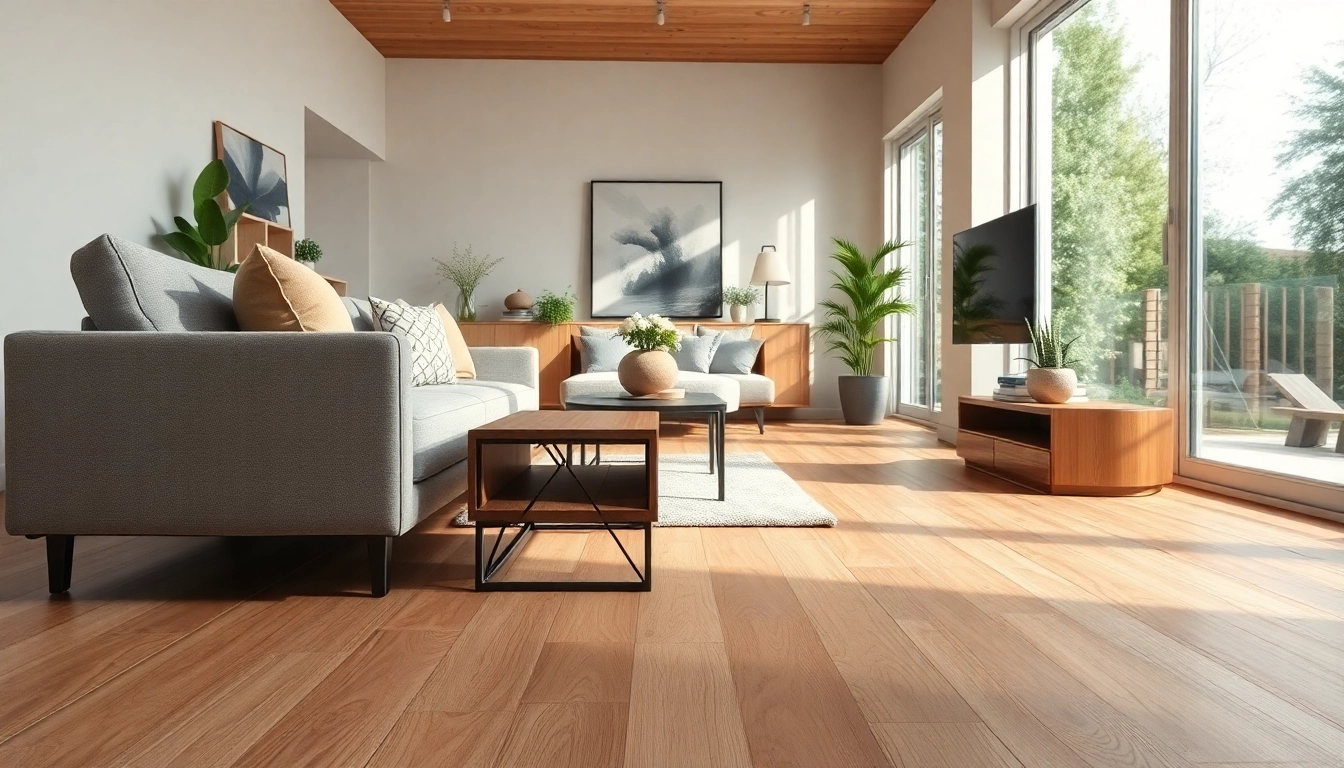
- Modern Minimalism: Opt for light wood-look vinyl to match a neutral palette.
- Rustic Charm: Darker planks can create a warm and inviting atmosphere in rustic spaces.
- Industrial Edge: Pair stone-look vinyl with metal elements for a trendy urban feel.
Seasonal Updates and Trends
Seasonal changes can inspire updates to your flooring choice and decor. Ideas include:
- Color Themes: Choose warmer tones in fall and winter and lighter tones in spring and summer.
- Layering Textures: Use rugs and fabric decor to add warmth and texture atop your vinyl flooring as seasons change.
- Seasonal Accents: Incorporate seasonal decorative elements such as flowers in spring or cozy throws in winter.
FAQs About Vinyl Flooring
What is the lifespan of vinyl flooring?
Vinyl flooring typically lasts between 10 to 20 years, depending on wear and quality, making it a durable choice.
Can vinyl flooring be installed over existing floors?
Yes, vinyl flooring can often be installed over existing floors, provided the surface is clean, dry, and level.
How can I clean and maintain vinyl flooring?
Regular sweeping, spot cleaning, and occasional damp mopping with the appropriate cleaner will maintain the quality of vinyl flooring.
Is vinyl flooring eco-friendly?
Many vinyl flooring options are made from recycled materials and can be 100% recyclable, creating a more sustainable choice.
Can I install vinyl flooring in bathrooms?
Yes, vinyl flooring is an excellent choice for bathrooms due to its moisture resistance and ease of maintenance.