Understanding Electrical Service Maintenance
Electrical service maintenance is a crucial aspect of home and commercial building management that ensures systems operate safely and efficiently. This encompasses regular inspections, updates, and repairs to the electrical infrastructure. For those seeking to understand and implement effective electrical service maintenance, it’s essential to recognize its benefits and best practices.
The Importance of Regular Maintenance
Regular electrical maintenance is paramount for several reasons. It not only extends the lifespan of electrical systems but is vital for ensuring safety. Faulty wiring, outdated equipment, and other electrical issues can lead to significant hazards, such as fire risks and electrical shocks. By performing regular maintenance, property owners can avoid costly repairs that may arise from negligence.
Moreover, maintenance can enhance energy efficiency. An efficiently running electrical system reduces energy waste, which can lead to lower utility bills. Over time, these savings can offset the cost of maintenance services.
Key Components of Electrical Systems
Electrical systems consist of various components that require regular checks:
- Wiring: The foundation of any electrical system, wiring needs to be in excellent condition to prevent hazards.
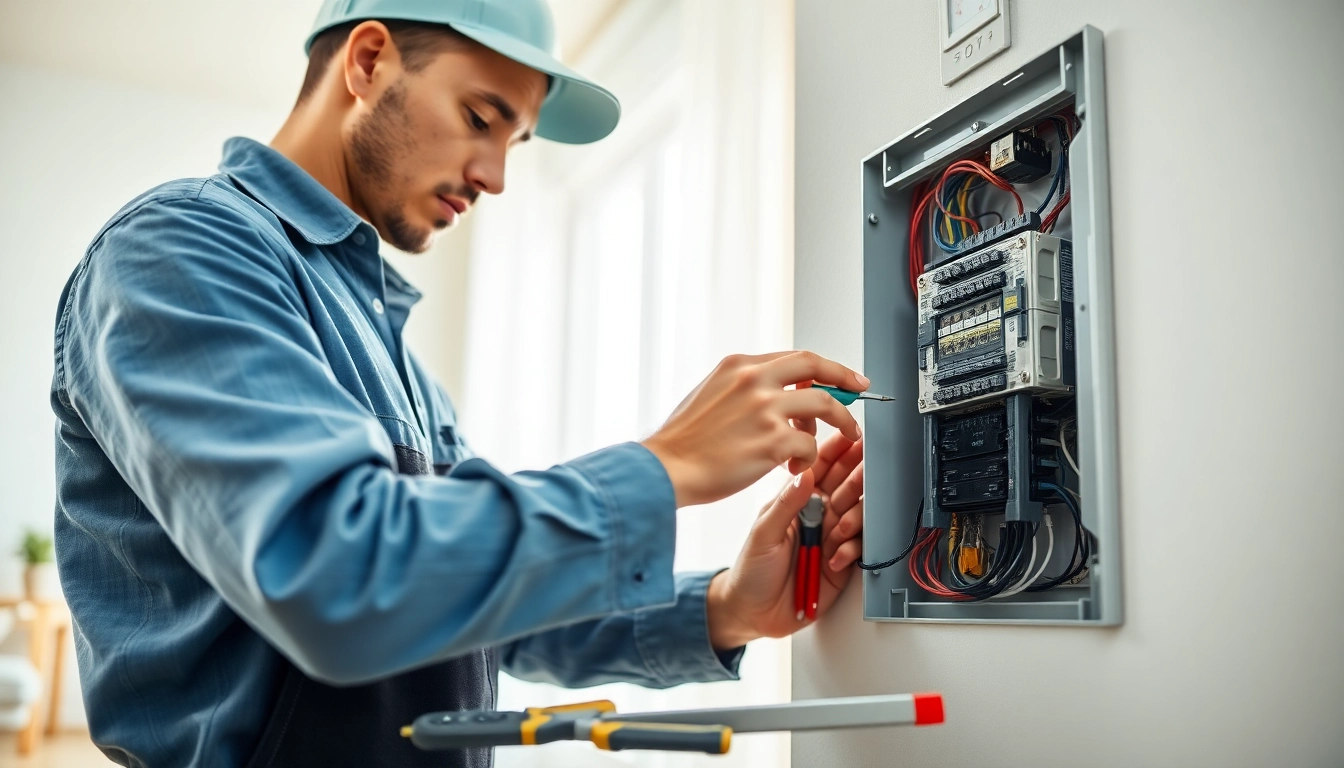
- Breaker Panels: These control the distribution of electricity throughout a building. Any issues here can affect multiple areas.
- Outlets and Switches: These elements should function properly to prevent electrical incidents.
- Fixtures and Equipment: Lighting fixtures and electrical appliances require maintenance to ensure optimal performance.
Signs You Need Electrical Service Maintenance
Identifying when maintenance is required can prevent larger issues:
- Flickering Lights: This often indicates a wiring problem or an issue with the circuit.
- Frequent Breaker Trips: Constantly tripping breakers can signal that there are too many devices on one circuit or a more serious electrical issue.
- Burning Smells: An unusual odor can indicate overheating or faulty wiring, which requires immediate attention.
Best Practices for Electrical Service Maintenance
Scheduling Regular Inspections
Establishing a routine inspection schedule is one of the most effective practices for electrical service maintenance. Typically, a yearly check-up is advisable, but systems that undergo heavier usage may require more frequent inspections. During these inspections, professionals can identify small issues before they escalate into more significant problems.
Consider factors such as the age of your home or building, the type of appliances used, and any renovations that might have altered the electrical layout when determining the frequency of inspections.
Utilizing Professional Services
While some minor tasks can be performed by knowledgeable homeowners, professional services should handle most electrical service maintenance. Licensed electricians possess the expertise and tools needed to safely address complex issues while ensuring compliance with safety standards. Their training can help diagnose problems that may not be apparent to the untrained eye.
Hiring a professional not only guarantees the safety of the work performed but may also provide peace of mind knowing that your electrical system is functioning at its best.
Following Safety Protocols
Safety should always be a priority in electrical service maintenance. This includes not only adhering to local electrical codes but also following best practices during inspections and repairs:
- Safety Gear: Wear appropriate personal protective equipment (PPE) to protect against electrical hazards.
- Power Safety: Always ensure that power is turned off before beginning any maintenance work.
- Proper Tools: Use tools rated for electrical work to avoid equipment failure or personal injury.
Common Issues Addressed During Maintenance
Worn Wiring and Connections
One of the most common problems addressed during maintenance is worn wiring. Over time, insulation may degrade, and connections can become loose. This can lead to arcing, which poses fire hazards. During maintenance, electricians can replace faulty wiring and ensure connections are secure, helping to mitigate risks associated with electrical fires.
Breaker Panel Concerns
Breaches in playing panel functionality can affect the entire electrical system. Maintenance checks should include examining for any signs of damage, wear, or insufficient capacity. Professionals can upgrade or replace aging panels to ensure they meet current electrical demands and comply with safety regulations.
Outdated Fixtures and Equipment
Outdated electrical fixtures and equipment can not only be inefficient but can also pose safety risks. During maintenance, electricians can assess the performance and safety of these components. Replacing outdated items with modern, energy-efficient alternatives can significantly enhance efficiency and lower utility costs.
Maximizing Efficiency Through Maintenance
Energy Efficiency Tips
Incorporating energy efficiency measures during maintenance can yield long-term benefits:
- Optimize Lighting: Replace incandescent bulbs with LEDs to reduce energy consumption.
- Smart Home Devices: Use smart thermostats and lighting systems to control energy use better.
- Regularly Clean Fixtures: Dust and debris can impede efficiency by blocking light and circuitry.
Upgrading Components
Upgrading components during maintenance can lead to improved energy efficiency and system reliability. Consider replacing older appliances with ENERGY STAR-rated models, which utilize less power without sacrificing performance. Smart switches and outlets can also help manage appliance use and energy consumption effectively.
Long-Term Savings Strategies
Implementing a proactive maintenance strategy not only enhances safety but also fosters long-term savings. By staying ahead of potential issues, property owners can avoid costly repair bills and unnecessary downtime. Maintenance can lead to lower energy bills by improving system efficiency and prolonging the lifespan of equipment.
FAQs about Electrical Service Maintenance
What is electrical service maintenance?
Electrical service maintenance involves regular inspections and repairs of electrical systems to ensure safety and optimal function.
How often should I schedule electrical service maintenance?
It’s recommended to schedule maintenance at least once a year or more frequently if you notice any issues.
Can I perform electrical service maintenance myself?
While some tasks can be DIY, it’s best to hire a professional for safety and compliance with legal standards.
What are the costs associated with electrical service maintenance?
Costs vary based on the extent of service required, but regular maintenance can ultimately save money by preventing major repairs.
What are signs that my electrical system needs maintenance?
Signs include flickering lights, frequent breaker trips, and any smell of burning or electrical odor.