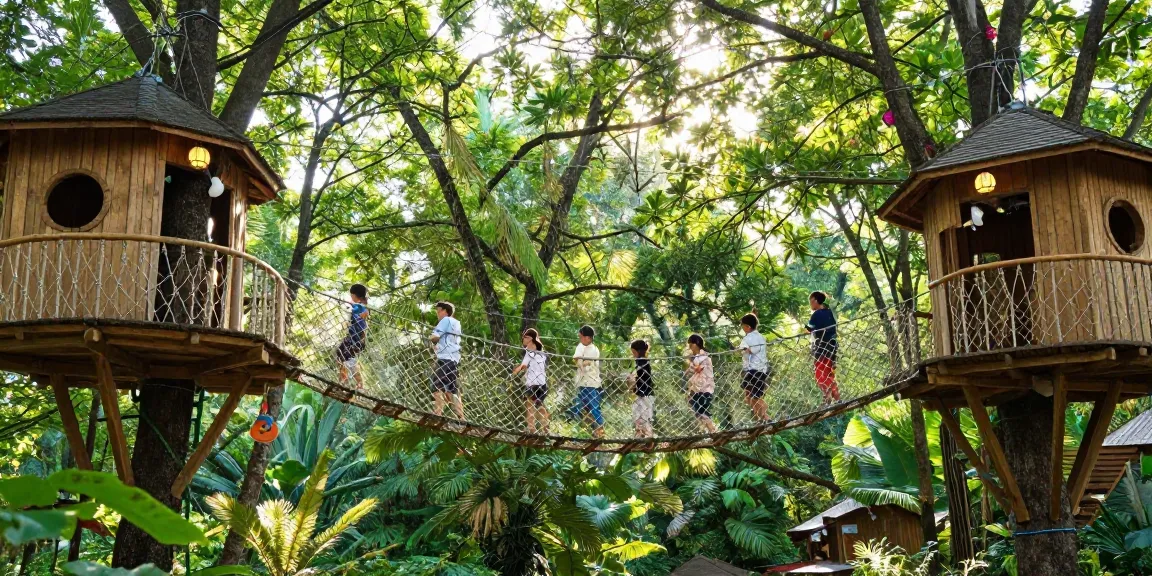
Understanding Rope Bridge Design Concepts
Rope bridges have long captured the imagination, offering not only a means of crossing obstacles but also serving as an incredible aesthetic feature in both residential and commercial landscapes. The Rope Bridge design combines engineering principles with artistic vision to create structures that are both functional and visually appealing. Whether you're planning to integrate a bridge within a nature reserve, an adventure park, or as an exciting addition to a home garden, understanding the basics of rope bridge design will help you to make informed decisions.
What Is a Rope Bridge?
A rope bridge is a type of bridge that is supported by cables or ropes, often made from durable materials designed to bear the weight of both pedestrians and potentially light loads. These bridges can either be suspended, hanging from cables, or fixed, anchored at both ends. The design can vary widely depending on the intended use, environmental conditions, and aesthetic preferences.
Basic Principles of Rope Bridge Design
In designing a rope bridge, several fundamental principles must be taken into account:
- Tension and Weight Distribution: The structural integrity of a rope bridge depends on how well it can distribute weight and manage tension across its components.
- Anchorage: Properly anchoring the bridge at both ends is crucial to ensure stability and safety.
- Materials: The choice of materials influences the bridge's durability and resilience against environmental factors.
- Safety Features: Incorporating elements such as guardrails and non-slip walking surfaces adds essential safety to the design.
Common Materials Used in Rope Bridge Construction
When constructing a rope bridge, selecting the right materials is essential for ensuring safety and longevity. Typical materials include:
- Rope: Often made from nylon, polyester, or natural fibres like hemp, the rope must be strong and resistant to weather.
- Wood: Timber is frequently used for the deck and structural supports, offering both strength and aesthetic charm.
- Metal: Steel cables provide additional support and are often used in suspension designs for their tensile strength.
- Fasteners: Stainless steel or galvanized fasteners are crucial for connecting various elements securely and resisting corrosion.
Types of Rope Bridges for Different Needs
Residential Rope Bridge Designs
In residential settings, rope bridges can transform gardens into adventurous playgrounds or connect treehouses in imaginative ways. Homeowners can explore a range of designs, from simple garden pedestrian bridges to elaborate structures that serve as focal points in landscaping.
Commercial Rope Bridge Installations
For commercial applications, rope bridges can facilitate pedestrian traffic across parks, resorts, and amusement centres. These installations often require compliance with safety regulations and are designed to handle heavier foot traffic and loads, making them both utilitarian and visually striking.
Creative Rope Bridge Ideas for Schools and Parks
Educational institutions and parks can utilise rope bridges as part of playground equipment or nature trails. Creative designs that incorporate learning experiences about physics and nature can enhance outdoor activities, encouraging children and adults alike to engage with their environment in a fun and educational way.
Essential Safety Considerations for Rope Bridges
Building Codes and Regulations to Follow
Before constructing a rope bridge, it is vital to understand local building codes and regulations that apply. Compliance ensures the bridge meets safety standards and can withstand environmental stresses.
Safety Features to Incorporate in Your Design
Implementing safety features is non-negotiable when designing a rope bridge. These features can include:
- Guardrails: To prevent accidental falls, guardrails should be constructed at a suitable height.
- Non-Slip Surfaces: Decking materials should provide adequate grip to prevent slips, especially in wet conditions.
- Weight Limits: Clearly posting weight limits can help prevent overloading and ensure safe use.
Regular Maintenance and Inspection Practices
To ensure the longevity and safety of the bridge, regular inspections and maintenance are essential. This includes checking the integrity of ropes, inspecting for wear and tear on wooden surfaces, and ensuring that all fasteners remain secure.
Steps to Design Your Own Rope Bridge
Planning and Measuring Your Space
Before beginning construction, thorough planning is crucial. Measure the span that the rope bridge will cover, ensuring that the landscape permits a suitable design. Consider environmental factors, such as wind exposure and potential hazards below.
Choosing the Right Materials and Tools
Based on your design, select appropriate materials that will withstand the elements and support the required load. Ensure that all tools needed for construction—from hand tools to power tools—are on hand and appropriate for the scale of your project.
Step-by-Step Construction Process
The construction process generally involves the following steps:
- Site Preparation: Clear the area of any debris and prepare the ground for the bridge foundations.
- Anchor Points: Install sturdy anchors on either side of the span to support the bridge.
- Rope Installation: Securely attach the main ropes or cables and ensure they are tensioned appropriately.
- Decking: Install the walking surface, ensuring it is stable and secure.
- Final Safety Checks: Conduct thorough checks for stability, safety features, and overall integrity before opening the bridge for use.
Future Trends in Rope Bridge Design (2026 and Beyond)
Innovative Materials and Technologies
As technology evolves, the future of rope bridge design is likely to see the integration of advanced materials such as carbon fibre, which offers high strength-to-weight ratios, and smart monitoring systems that can alert users to structural changes or deteriorations.
Integrating Eco-Friendly Practices in Design
With growing awareness of environmental issues, designers are increasingly focusing on constructing bridges with sustainable materials and processes. This includes using recycled materials and ensuring minimal impact on local wildlife during construction.
Community Engagement and Collaborative Projects
Community involvement in rope bridge projects can enhance social engagement and provide educational opportunities about engineering and environmental stewardship. Collaborative projects can also result in creative solutions that reflect the community's identity.
How do I build a rope bridge?
Building a rope bridge involves careful planning, selecting suitable materials, and following a structured construction process. Safety must always be prioritised.
What are the different types of rope bridges?
Rope bridges can be classified into several types, including suspension, fixed-beam, and log bridges, each designed for specific uses and loads.
How much does a rope bridge cost?
Costs for building a rope bridge can vary widely based on size, design, materials used, and installation complexities. It's best to consult with professionals for accurate estimates.
What is the simplest bridge design?
The simplest bridge design is often a basic beam or plank bridge, which can be constructed quickly and with minimal materials, making it suitable for short spans.
Are there any DIY kits available for rope bridge construction?
Yes, many suppliers offer DIY rope bridge kits that include all necessary materials and instructions for creating your own bridge, suitable for both residential and educational projects.