Understanding the Role of a Wedding Photographer
What Does a Wedding Photographer Do?
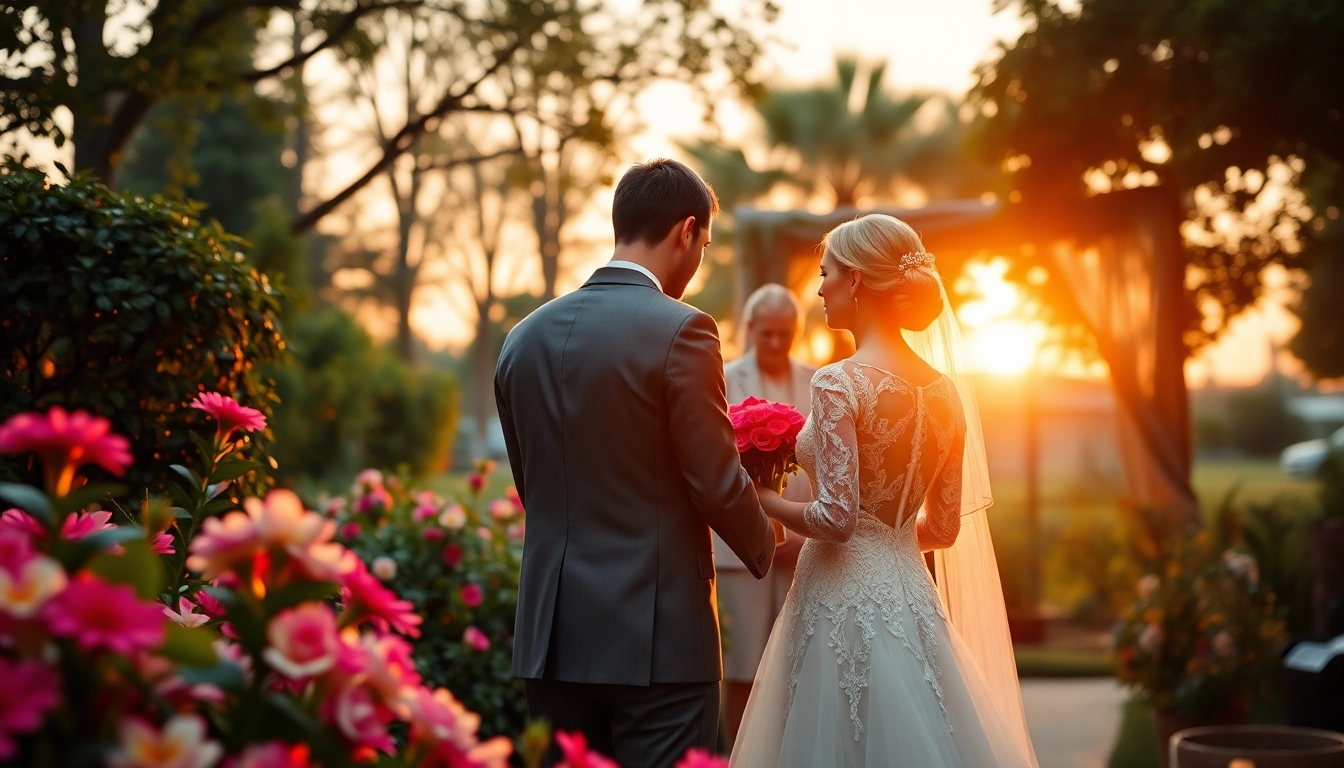
A wedding photographer is responsible for capturing the essence of one of the most significant days in a couple's life. From the anticipation of getting ready to the joyful celebration of marriage, a wedding photographer documents the day's events through stunning visuals. Their primary role involves navigating various scenes, starting from pre-wedding rituals to the final dance at the reception. Beyond taking pictures, a skilled wedding photographer also directs and guides the couple and their guests to ensure the essential moments are beautifully captured in a natural and candid manner.
Why Hiring a Professional Matters
Choosing to hire a professional wedding photographer carries immense importance. While amateur photographers may offer lower prices, they often lack the expertise and experience to anticipate and capture fleeting moments effectively. A professional understands the nuances of lighting, composition, and timing, allowing them to create high-quality images that tell a story. With their trained eye and specialized equipment, a professional wedding photographer can produce beautiful photographs that preserve memories for a lifetime. Investing in a professional means you can relax and enjoy your day, confident that the memories are being captured meticulously.
The Impact of Style and Approach
The style and approach of a wedding photographer significantly influence the final outcome of your wedding album. Photographers have different styles, including traditional, photojournalistic, editorial, and artistic. Each has its unique characteristics, which can affect how your wedding story is told. For instance, a traditional photographer may focus on posed shots and formal compositions, while a photojournalistic approach captures moments as they unfold, often producing more candid and spontaneous images. Understanding these styles can help couples select a photographer whose vision aligns with their preferences.
Key Factors in Choosing Your Wedding Photographer
Budgeting for Photography Services
When selecting a wedding photographer, budgeting is a crucial step. Wedding photography prices can range widely, typically from $1,000 to $3,000, depending on experience, packages, and additional services offered. It's essential to determine your photography budget early on, as this will guide your selection process. Consider what is included in the package, such as the number of hours of coverage, the number of edited images, and any additional costs for prints or albums. Doing so will allow you to make an informed decision that balances quality and affordability without compromising on capturing your special day.
Evaluating Photographer Portfolios
A photographer's portfolio is a valuable tool in the selection process. By reviewing their previous work, couples can gain insight into their style, creativity, and technical skills. Look for consistency in image quality and a storytelling ability that resonates with you. It's also helpful to seek pictures from weddings similar to yours, allowing you to visualize how your special day might be captured. Additionally, consider reading testimonials from past clients to evaluate their experiences. A well-curated portfolio can make a persuasive argument in favor of any photographer.
Conducting Effective Interviews
Once you've narrowed down your options, conducting interviews with potential photographers is essential. Come prepared with questions that address not just their technical abilities but also their interpersonal skills. Ask about their shooting style, experience with your chosen venue, and how they adapt to unexpected situations or challenges. Evaluate their responses for professionalism, enthusiasm, and a genuine interest in your vision. A good rapport with your photographer can ease pre-wedding jitters and result in more relaxed, candid photos on the day of the wedding.
Preparing for Your Photography Session
Creating a Shot List for the Big Day
Creating a shot list is a practical step in preparing for your photography session. This list should encompass all the must-have photographs, including family portraits, essential details (rings, flowers), and specific moments you want to capture (vows, first kiss). Share this list with your photographer ahead of time so they can plan accordingly. This collaborative approach ensures that no significant moments are overlooked and helps streamline the photographer’s workflow on the big day.
Understanding Timelines and Schedules
Understanding the timeline for the wedding day is crucial for successful photography coverage. Coordinate closely with your photographer to develop a detailed schedule for the day, outlining when particular events will take place. This timeline should account for essential moments such as the ceremony, toasts, cake cutting, and dances, allowing the photographer to be present and ready to capture each key moment. Ensuring that timelines are realistic and accommodating will smooth the process, contributing to relaxed, genuine images.
Tips for Working with Your Photographer
Strong communication is vital to success on your wedding day. Be open to your photographer's suggestions; they often have valuable insights about what works best in terms of lighting, composition, and timing. Also, practice posing with your partner ahead of time, as this helps build comfort and confidence in front of the camera. Embrace spontaneity; sometimes, the best moments come when you're not posing at all. Lastly, showing appreciation to your photographer during the day will facilitate a cooperative environment, leading to the best possible results.
Popular Photography Styles for Weddings
Traditional vs. Candid Photography
Understanding the differences between traditional and candid photography will aid couples in finding a style that matches their vision. Traditional photography often involves styled shots where subjects are directed to pose in specific ways, resulting in classic and timeless images. Conversely, candid photography is characterized by its spontaneity, capturing genuine interactions and emotions without staging. Couples might consider a hybrid approach that combines both styles to ensure they have a wide range of memories to look back on.
Exploring Editorial and Styled Shoots
Editorial photography resembles fashion photography, focusing on creativity, styling, and composition while capturing the essence of the event. Styled shoots, on the other hand, are meticulously planned in advance and often feature a theme. Choosing an editorial or styled shoot allows couples to express their personalities and unique aesthetics, resulting in striking images that stand out. These sessions can complement traditional wedding photography by offering artistic interpretations of moments shared during your celebration.
Understanding Destination Wedding Photography
Destination weddings come with their unique set of challenges and opportunities for photographers. This style often requires both travel logistics and a fresh perspective on local traditions, landscapes, and cultures. Photographers experienced in destination weddings can leverage their knowledge of the venue to plan creative shots with stunning backdrops. Couples should consider hiring a photographer familiar with their destination to ensure they capture the essence and beauty of the location, enhancing the overall wedding experience in the process.
Post-Wedding Considerations
How to Choose Your Photos
After the wedding, couples often face the challenge of selecting their favorite photos from a multitude of images. Start by reviewing all photos and marking favorites, then narrow them down by identifying which images resonate with you emotionally. Consider creating categories, such as family portraits, candid moments, and details, to help with organization. Don't hesitate to seek input from family members or your photographer for additional perspectives on select images. Ultimately, choose photos that reflect your story and the atmosphere of your day.
Understanding Photo Editing and Delivery
Photo editing is an essential part of the post-wedding process, allowing photographers to enhance the images captured on your special day. Expect your photographer to deliver edited images within 4 to 12 weeks, depending on their workflow and volume of work. The editing process typically involves color correction, cropping, and enhancing image quality to ensure they look polished and professional. It's essential to discuss these timelines in advance so you have a realistic expectation of when you can share and print your photos.
Creating Albums and Prints
After selecting your favorite images, consider creating albums and prints to preserve your memories physically. Many photographers offer album design services, guiding you in creating a cohesive story of your day. You can often customize layouts, cover materials, and sizes to fit your personal style. Additionally, ordering prints can allow you to display your favorite moments at home, ensuring that your wedding memories are cherished and enjoyed for years to come.
FAQs
What is the average cost of hiring a wedding photographer?
The average cost ranges from $1,000 to $3,000, varying based on experience and package options.
How far in advance should we book our wedding photographer?
It's best to book your wedding photographer 6-12 months in advance to secure your preferred date.
What questions should we ask during the interview?
Ask about their style, experience with your venue, and how they handle unexpected situations on the day.
Can we request specific shots for our wedding?
Absolutely! Providing a shot list helps ensure that your most important moments are captured.
How long will it take to receive our photos?
Typically, you can expect to receive your edited photos within 4 to 12 weeks after the wedding.
If you're searching for a skilled Wedding photographer, consider these insights to guide your journey. A well-planned approach ensures that your special day is documented beautifully, resulting in timeless memories you can cherish forever.