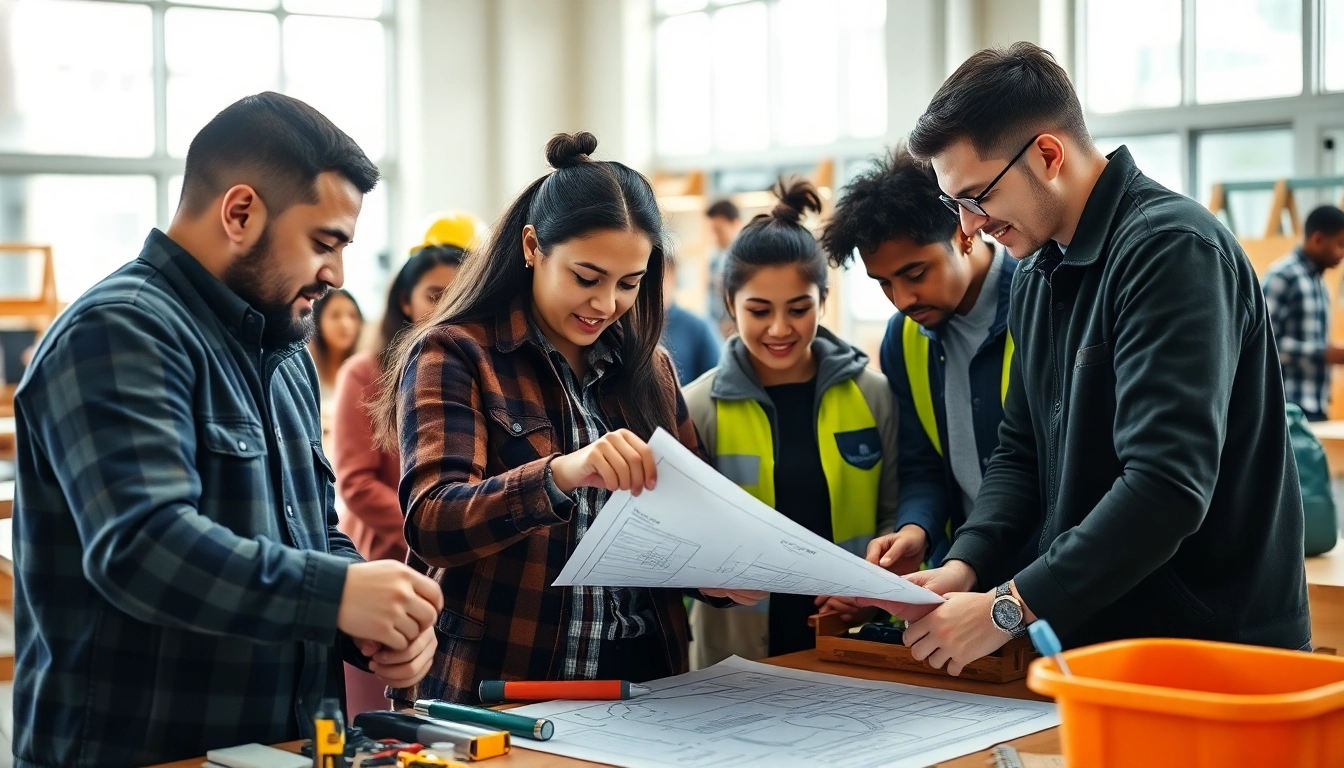
Understanding Construction Education Basics
Definition and Importance of Construction Education
Construction education encompasses formal training, skills development, and area-specific knowledge essential for various roles within the construction industry. As a field that directly impacts the safety and infrastructure of society, effective construction education not only builds skilled labor but also enhances overall project quality, compliance with regulations, and the sustainability of practices. By prioritizing construction education, we invest in a more proficient workforce that is capable of addressing current and future challenges within the industry.
Key Skills Developed through Construction Education
Construction education is designed to provide students with a range of critical skills. Fundamental competencies include technical skills such as blueprint reading and construction methods, as well as soft skills such as communication and problem-solving. Additionally, students cultivate project management abilities, financial literacy related to budgeting, and risk assessment capacities. These skills are essential not only for day-to-day operations but also for long-term career success.
Broader Impact of Construction Education on Society
The impact of construction education extends beyond individual gain; it permeates societal structures. A well-educated workforce contributes to safer job sites, innovation through new building technologies, and environmentally friendly practices that minimize waste. Furthermore, construction education helps bridge the gap between theoretical teachings and practical applications through collaboration with industry leaders, thus reinforcing the importance of continuous education and adaptation to new challenges.
Types of Construction Education Programs
Vocational Training and Certification
Vocational training programs offer individuals practical, hands-on experience tailored to specific trades, such as carpentry, plumbing, and electrical work. Institutions provide certifications reflecting the completion of training and mastery of skills, such as OSHA safety certifications, which are vital for ensuring workplace safety and compliance. These programs often have shorter durations compared to traditional degrees, making them an appealing option for those eager to enter the workforce quickly.
Online Courses and Resources
With advances in technology, online courses in construction education have gained prominence. These offerings provide flexible scheduling, allowing participants to learn at their own pace. Topics can range from project management software to advanced building techniques. Supplementing traditional programs, online resources enable continuous learning and are helpful for professionals looking to upgrade their skills without interrupting their work commitments.
Traditional Degree Programs
Degree programs in construction management or engineering generally span two to four years and encompass a comprehensive curriculum. Students dive deep into construction laws, economics, and safety regulations while engaging in theoretical and practical projects. These programs often include internships, providing real-world experience vital for career prospects. Graduates are well-prepared for roles in management, design, and coordination within construction industries.
Best Practices in Construction Education
Incorporating Hands-On Learning Techniques
Effective construction education emphasizes experiential learning. Programs that incorporate hands-on techniques allow students to engage directly with tools and technologies they’ll use on the job. Workshops, lab sessions, and apprenticeships bridge the gap between theory and practice, fostering confidence and competence in students as they transition into the workforce.
Utilizing Technology in the Classroom
Modern classrooms integrate advanced technologies, such as Building Information Modeling (BIM) and virtual reality (VR), into construction education. These tools provide immersive learning experiences, allowing students to visualize projects in real time and understand complex spatial relationships. Additionally, learning platforms encourage interaction and collaboration, mimicking the collaborative nature of the construction industry.
Creating Collaborative Learning Environments
Fostering teamwork is critical in construction education as projects require cooperative efforts from diverse teams. Encouraging collaborative learning through group projects enhances peer-to-peer learning and nurtures essential communication skills. Educators can utilize case studies and real-world scenarios to simulate workplace dynamics, preparing students for their future roles within diverse project teams.
Challenges in Construction Education
Addressing Skill Gaps in the Workforce
As technology evolves, skill gaps can emerge when educational programs do not keep pace with industry needs. Regular curriculum reviews and close collaborations between institutions and industry leaders are paramount for identifying these gaps. By aligning educational standards with actual workforce demands, programs can ensure that graduates leave with relevant and sought-after skills.
Overcoming Financial Barriers for Students
The cost of education can deter many prospective students from pursuing careers in construction. Offering scholarships, low-cost vocational training, and financial aid can help alleviate these financial barriers. Additionally, creating partnerships with industry stakeholders to fund training initiatives can provide accessible education opportunities to a more diverse student body.
Ensuring Safety and Compliance in Education
Safety is paramount in construction; therefore, educational programs must integrate comprehensive safety training into their curricula. This includes educating students on compliance with regulations such as OSHA standards and industry-specific safety protocols. Regular training, drills, and updates on regulations help instill a culture of safety that students carry into their careers.
The Future of Construction Education
Trends Shaping the Construction Education Landscape
As the construction industry shifts towards more sustainable practices and advanced technologies, education must evolve accordingly. Trends such as green building practices, modular construction, and the use of artificial intelligence in project management are shaping new teaching paradigms. Programs that embrace these trends will prepare students for the demands of a rapidly changing landscape.
Preparing for Technological Advancements
Technology continues to revolutionize the construction industry, producing tools that enhance efficiency and accuracy. Construction education must continue to incorporate these advancements, teaching students how to effectively utilize new software and equipment. Continuous professional development opportunities will ensure that students remain abreast of innovations even post-graduation.
Engaging the Next Generation of Construction Professionals
To engage the next generation, educational programs need to emphasize the diverse career paths available within construction. Outreach initiatives aimed at high schools, community colleges, and career fairs showcase the benefits of pursuing a career in construction. Mentorship programs can also play a vital role in motivating young people to explore these pathways while fostering a sense of community among professionals.
Frequently Asked Questions
What are the primary benefits of construction education?
Construction education provides individuals with critical skills, job opportunities, and enhances workplace safety, fostering a more efficient industry.
Is vocational training equivalent to a traditional degree?
While vocational training focuses on practical skills for specific trades, degrees provide broader theoretical knowledge, both can lead to successful careers.
How can online courses benefit construction professionals?
Online courses offer flexibility, enabling professionals to learn new skills without disrupting their work schedules, an essential aspect of ongoing education.
What is the significance of hands-on learning in construction?
Hands-on learning provides practical experience, ensuring students develop confidence and competence essential for real-world job performance.
How can we bridge the skill gaps in construction?
Bridging skill gaps involves regular curriculum updates, industry collaboration, and accessible training programs to meet workforce demands.