Introduction to the Manaslu Circuit Trek
The manaslu circuit is a captivating journey that immerses trekkers in the heart of the Himalayas. Nestled in the Gorkha District of Nepal, this trek offers a unique blend of stunning natural landscapes, rich cultural experiences, and the thrill of adventure. Renowned for its breathtaking views and diverse ecosystems, the Manaslu Circuit draws adventurers from around the globe, eager to explore one of Nepal’s most pristine trekking routes. This comprehensive guide will help you navigate the essentials of preparing for this remarkable trek, including itinerary planning, gear recommendations, and insights into local culture.
Overview and Significance of the Manaslu Circuit
The Manaslu Circuit Trek is a classic journey that circumnavigates the world’s eighth-highest peak, Mount Manaslu, standing tall at 8,163 meters (26,781 feet). Recognized as a Restricted Area Trek, it offers a quieter alternative to the more popular Annapurna and Everest circuits. The trek was officially opened to trekkers in 1991, and since then, it has gained popularity for its breathtaking vistas, unique cultural insights, and authentic Himalayan experience.
Unique Features of the Trek
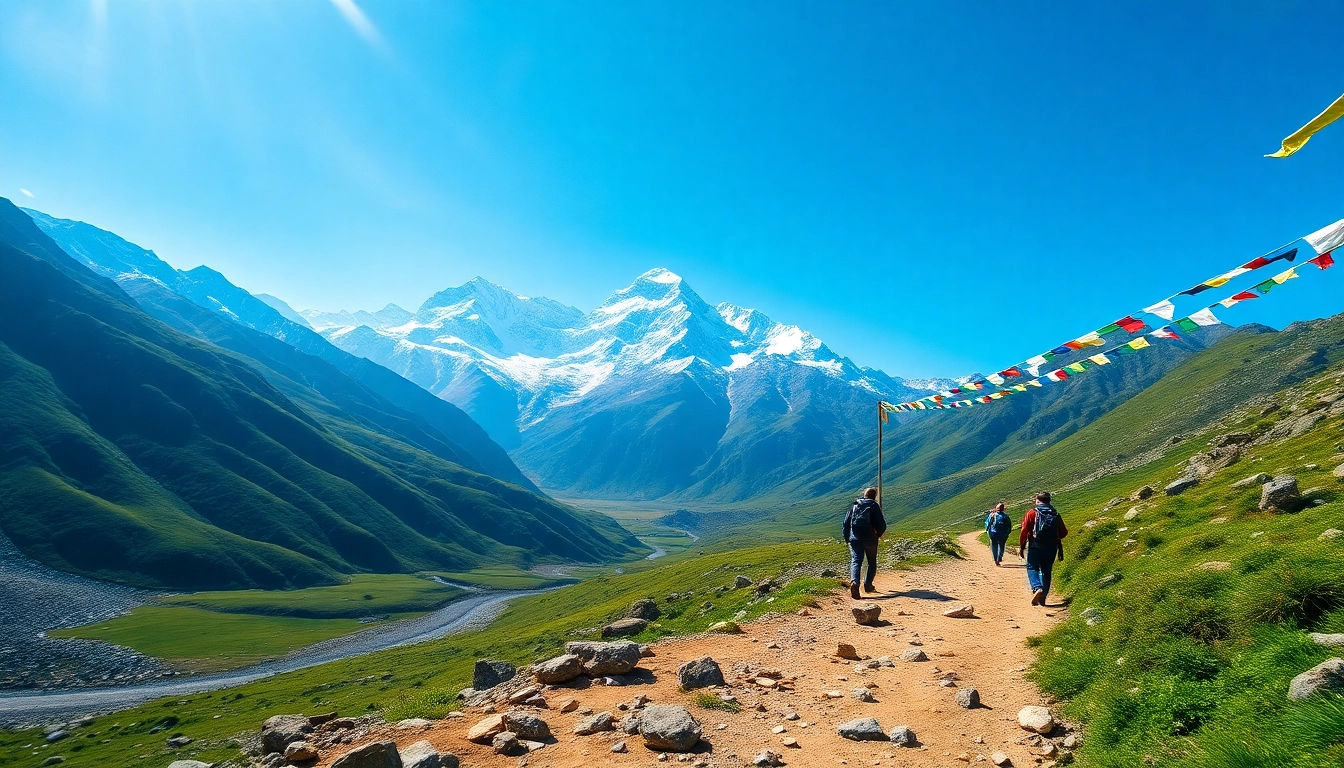
One of the most distinguishing aspects of the Manaslu Circuit is the blend of adventure and cultural immersion. Trekkers will navigate through quaint villages, such as Samagaon and Lho, where the local Tibetan culture is prevalent. The trail is adorned with ancient monasteries, vibrant prayer flags, and Mani walls that reflect the spiritual essence of the region. Additionally, the trek is characterized by its varied landscapes, from lush subtropical forests to rugged alpine terrains, ensuring that every step offers new visual delights.
Why Choose the Manaslu Circuit in 2025?
With increasing interest in sustainable and responsible tourism, the Manaslu Circuit presents an excellent opportunity for eco-conscious travelers. The controlled access to the trail helps maintain its natural integrity and minimizes the impact of mass tourism. Choosing to trek in 2025 not only supports the local economy but also allows trekkers to experience the untouched beauty of the Himalayas.
Preparation for the Manaslu Circuit Trek
Preparing for the Manaslu Circuit Trek involves physical conditioning, proper gear selection, and understanding the legal requirements. Each of these components plays a crucial role in ensuring a safe and enjoyable trekking experience.
Physical Fitness: Getting Ready for the Challenge
The Manaslu Circuit is considered a challenging trek, requiring a moderate to high level of physical fitness. Trekkers typically walk for 5 to 8 hours a day, often on steep and uneven trails. To prepare, it’s recommended to engage in a fitness regime that includes cardio exercises, strength training, and hiking practice over varied terrains. Aim to gradually increase your stamina to comfortably handle the daily trekking hours.
Essential Gear and Packing List for Manaslu Circuit
Having the right gear is essential for experiencing the Manaslu Circuit comfortably. Your packing list should include:
- Clothing: Layered clothing such as moisture-wicking base layers, insulated jackets, and waterproof outer layers.
- Footwear: Sturdy trekking boots with good ankle support and grip.
- Accessories: Warm hats, gloves, sunglasses, and a hydration system.
- Other Essentials: A first-aid kit, trekking poles, and a high-quality backpack.
Permits and Legal Requirements for Trekking
As a restricted area, the Manaslu Circuit requires several permits before trekking:
- Manaslu Conservation Area Permit (MCAP)
- Manaslu Restricted Area Permit (MRAP)
- Trekkers Information Management System (TIMS) permit
These permits can be obtained through local trekking agencies or through direct application in Kathmandu.
Itinerary Details for the Manaslu Circuit Trek
A well-structured itinerary is key to successfully completing the Manaslu Circuit. Below is a detailed day-by-day breakdown of the trek.
A Day-by-Day Breakdown of the Trek
- Day 1: Arrival in Kathmandu – Transfer to hotel.
- Day 2: Drive to Machha Khola – 8-10 hours.
- Day 3: Trek to Jagat (1,340 m) – 6-7 hours.
- Day 4: Trek to Deng (1,860 m) – 6-7 hours.
- Day 5: Trek to Namrung (2,630 m) – 7-8 hours.
- Day 6: Trek to Lho (3,180 m) – 3-4 hours.
- Day 7: Trek to Samagaon (3,520 m) – 3-4 hours.
- Day 8: Acclimatization day at Samagaon.
- Day 9: Trek to Samdo (3,875 m) – 3-4 hours.
- Day 10: Trek to Dharmashala (4,460 m) – 4-5 hours.
- Day 11: Trek over Larkya La Pass (5,160 m) to Bimthang (3,590 m) – 8-9 hours.
- Day 12: Trek to Goa (2,515 m) – 5-6 hours.
- Day 13: Trek to Dharapani (1,963 m) – 3-4 hours.
- Day 14: Drive back to Kathmandu – 10-12 hours.
- Day 15: Departure from Kathmandu.
Highlighting Key Stops along the Trail
Significant stops along the Manaslu Circuit include jagat, Deng, Namrung, and the culturally rich village of Samagaon. Each of these villages provides trekkers with unique glimpses into traditional life in the Himalayas, along with majestic mountain views and opportunities for cultural exchange.
Acclimatization Techniques during the Trek
To combat the effects of altitude sickness, acclimatization days are built into the itinerary. Spending extra time at higher elevations allows the body to adjust to the changing conditions. Important techniques include drinking plenty of water, eating a balanced diet, and moving slowly during ascent.
What to Expect on the Manaslu Circuit
The Manaslu Circuit offers a variety of experiences, from environmental changes to local culture, making it distinct from other trekking routes.
Weather Conditions and Best Trekking Seasons
The best seasons for trekking the Manaslu Circuit are during the pre-monsoon (March to May) and post-monsoon (September to November) months. These seasons typically provide stable weather conditions, clear skies, and breathtaking views of the surrounding peaks. Expect daytime temperatures to range from 10°C to 20°C (50°F to 68°F), while nighttime temperatures can drop to below freezing, especially at higher elevations.
Local Culture and Community Interactions
Throughout the trek, you will encounter diverse cultural influences, particularly those of the Tibetan people. Engaging with local communities provides valuable insights into their traditions, customs, and daily life. Opportunities to visit monasteries, participate in local festivals, and learn about traditional crafts are common highlights.
Wildlife and Natural Attractions
The Manaslu region is rich in biodiversity, home to a variety of flora and fauna. Keep an eye out for native species, such as the Red Panda, Himalayan Thar, and various bird species. The stunning landscapes, including high-altitude lakes and glaciers, enhance the trekking experience.
Post-Trek Activities and Future Adventures
After conquering the Manaslu Circuit, many trekkers look to extend their stay in Nepal to explore additional attractions and cultural sites.
Extending Your Travel in Nepal: Nearby Attractions
Consider visiting Lumbini, the birthplace of Buddha, or heading to Pokhara, a stunning lakeside city renowned for its adventure sports and spectacular mountain views. Both destinations provide a perfect way to relax and reflect on your trekking experience.
Health and Safety Considerations after Trekking
Post-trek, it’s important to take time to rest and recover. Hydration is key, along with maintaining a balanced diet to help your body recuperate. Monitoring any lingering effects from altitude sickness is crucial; consult a healthcare professional if necessary.
Sharing Your Experience: Reviews and Feedback
Sharing your trekking experience through reviews and feedback can provide valuable insights to future trekkers. Whether on social media, travel blogs, or review sites, your experiences can help others prepare for their own adventure on the Manaslu Circuit.