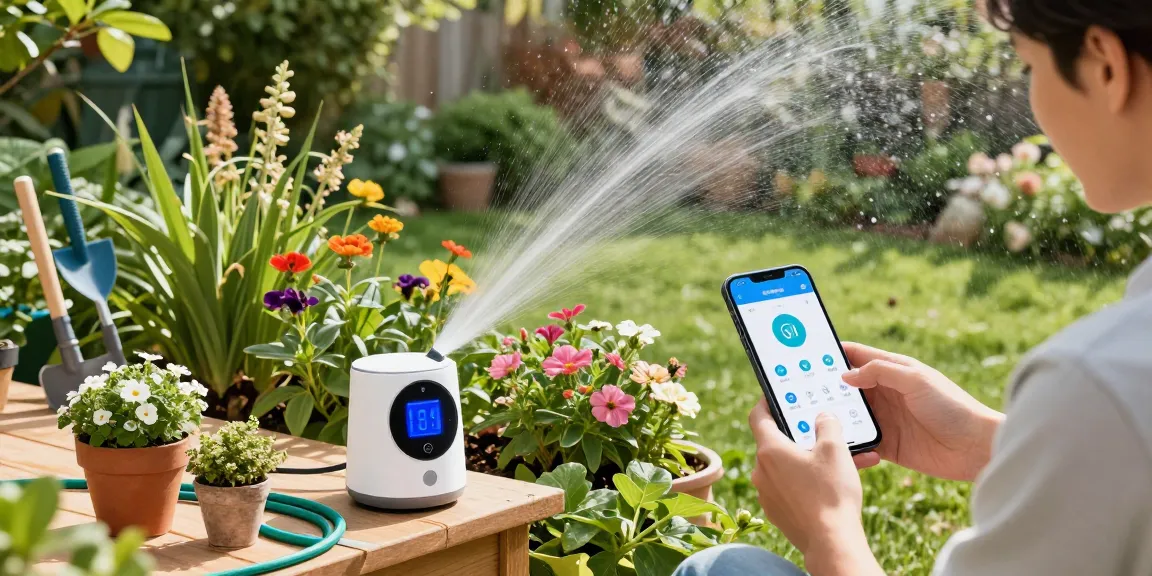
Understanding Smart Sprinkler Systems
In today’s water-conscious world, smart sprinkler systems have emerged as essential tools for efficient irrigation. These advanced systems not only ensure that gardens and lawns remain lush and vibrant but also help homeowners conserve water, reduce utility bills, and promote sustainable gardening practices. In this article, we’ll explore everything you need to know about smart sprinklers, from their functionalities to the benefits they offer to both the environment and gardeners.
What is a smart sprinkler?
A smart sprinkler, sometimes referred to as a smart irrigation system, utilizes technology to manage the watering of your garden or lawn automatically. Unlike traditional sprinklers that operate on a fixed schedule regardless of weather conditions, smart sprinklers adjust their watering patterns based on real-time data. This includes weather forecasts, soil moisture levels, and even plant types, allowing for targeted and efficient watering.
How do smart sprinklers work?
Smart sprinklers function through a combination of sensors, weather data, and automated watering schedules. Here’s a breakdown of how they operate:
- Data Collection: Smart sprinklers collect data from various sources, including local weather forecasts and soil moisture sensors. This information is crucial in determining when and how much to water.
- Remote Control: Many smart sprinklers can be controlled via a smartphone app, allowing users to adjust settings from anywhere. This feature ensures you can manage your garden even when you’re not at home.
- Automated Scheduling: Based on the collected data, the system automatically schedules watering times, focusing on when plants need water most. This minimizes water waste and optimizes plant health.
Benefits of using smart sprinkler technology
The advantages of integrating smart sprinkler technology into your watering routine are numerous:
- Water Conservation: By using precise watering schedules and adjusting to weather conditions, smart sprinklers can save significant amounts of water, which is vital in areas experiencing drought.
- Cost Savings: Reduced water usage translates to lower utility bills, making smart sprinklers a cost-effective solution over time.
- Improved Plant Health: With the right amount of moisture, plants thrive better, reducing the risk of overwatering or underwatering.
- Convenience: Automated systems reduce the time and effort required for manual watering, allowing you to focus on other gardening tasks.
Choosing the Right Smart Sprinkler for Your Needs
When selecting a smart sprinkler system, it’s crucial to evaluate your gardening needs and the specific features that will benefit you the most. Here are some factors to consider:
Factors to consider when selecting a smart sprinkler
- Yard Size: Assess the size of your garden or lawn. Some smart sprinklers are designed for smaller spaces, while others can cover larger areas.
- Type of Plants: Different plants have varying water requirements. Ensure that the system you choose can adapt to the needs of your specific plant types.
- Connectivity: Look for systems that offer Wi-Fi or Bluetooth connectivity so you can easily control and monitor them via an app.
- Budget: Smart sprinklers come at various price points. Define your budget and look for systems that fit within it while still meeting your needs.
Top features to look for in a smart sprinkler
Key features can significantly enhance the efficiency and usability of your smart sprinkler:
- Soil Moisture Sensors: These sensors measure the moisture level in the soil and prevent overwatering.
- Weather Adaptability: Systems that integrate weather forecasts help in adjusting the watering schedule based on upcoming rain or dry spells.
- Mobile App Control: An intuitive app interface that allows you to set, view, and modify watering schedules remotely is crucial for convenience.
- Zone Control: The ability to manage different zones in your yard separately ensures that each area receives the appropriate amount of water.
Comparing popular smart sprinkler brands
Several brands dominate the smart sprinkler market, each offering unique features:
- RainPoint: Known for its advanced soil sensors and user-friendly app, RainPoint’s smart sprinklers are a popular choice among gardening enthusiasts.
- Rachio: This brand is celebrated for its robust weather integration and compatibility with home automation systems.
- Orbit: Offers a range of budget-friendly options with basic smart features for beginners.
Setting Up Your Smart Sprinkler System
Installing a smart sprinkler system might seem daunting, but it can be done easily by following these steps:
Step-by-step installation guide
- Choose the Right Location: Select spots throughout your yard that require watering.
- Install the Sprinkler Head: Attach the sprinkler head to the existing water supply, ensuring it’s securely connected.
- Connect Sensors: If your system includes soil moisture sensors, place them in designated areas per the manufacturer’s instructions.
- Download the App: Get the mobile app associated with your sprinkler system and set up your account.
- Configure Settings: Input your plant types, yard size, and preferred watering schedule within the app.
Integrating your smart sprinkler with home automation
For those who use home automation systems, integrating your smart sprinkler can add a layer of convenience:
- Link with Voice Assistants: Connect your smart sprinkler to devices like Amazon Echo or Google Home to control it with voice commands.
- Set Routines: Create routines that trigger watering based on your daily activities or specific atmospheric conditions.
Common troubleshooting tips during setup
If you encounter issues while setting up your smart sprinkler, consider these troubleshooting tips:
- Check Wi-Fi Connectivity: Ensure that your smart sprinkler is within range of your Wi-Fi signal.
- Firmware Updates: Regularly update the firmware of your system to ensure optimal performance.
- Reboot Devices: Sometimes, a simple restart of the system or the app can resolve connectivity issues.
Maximizing Efficiency with Smart Sprinklers
To maximize the benefits of your smart sprinkler system, consider the following strategies:
Utilizing weather data for optimal watering
Leveraging real-time weather data can enhance the effectiveness of your irrigation system. Most smart sprinklers automatically adjust watering schedules based on forecasted rain or temperature spikes, ensuring that your plants receive the right amount of water without waste.
Adjusting schedules based on plant needs
Different plants have varying water requirements. Regularly monitor and adjust the watering schedules in your app based on seasonal changes and the growth stages of your plants to ensure they thrive.
Monitoring water usage and savings
Many smart sprinkler systems provide detailed reports on water usage. By tracking this data, you can assess how much water you’re saving compared to traditional watering methods, giving you insights into your conservation efforts.
Future Trends in Smart Irrigation Technology
The future of smart irrigation technology is exciting, with several trends on the horizon:
Advancements in smart sprinkler systems for 2026
As technology evolves, we can expect smart sprinklers to incorporate advanced AI algorithms that assess plant health through visual data and adjust watering schedules accordingly.
Current research on sustainable irrigation practices
Research is actively being conducted on sustainable irrigation methods that not only conserve water but also utilize recycled water systems, integrating eco-friendly practices into smart irrigation technology.
Predictions for smart gardening products
In 2026, smart gardening products will likely expand to include integrated environmental sensors that monitor not only soil moisture but also nutrient levels, further optimizing plant care.
How to maintain your smart sprinkler system?
Regular maintenance is key to ensuring your smart sprinkler system operates smoothly. This includes checking connections, cleaning filters, and performing software updates as necessary.
Are smart sprinklers worth the investment?
Despite a higher upfront cost, smart sprinklers typically pay for themselves over time through water savings and improved plant health, making them a worthwhile investment for many homeowners.
What maintenance do smart sprinklers require?
Maintenance involves regular checks on system components, ensuring that sprinklers are not clogged, and verifying that the software is up-to-date for optimal performance.
Can smart sprinklers adapt to seasonal changes?
Yes, most smart sprinkler systems can adapt to seasonal changes by altering watering schedules based on the plants’ needs and environmental conditions, ensuring optimal health year-round.